For students with ADHD and/or sensory defensiveness, winding down at the end of the day and feeling physically comfortable during learning can be a regular challenge. These sensitivities are often misunderstood or dismissed, but they play a significant role in a student’s ability to function, learn, and thrive, both at home and in the classroom.
At Evoke Learning, we work with students who experience the effects of ADHD and sensory processing differences every day. We know that supporting their success requires more than academic strategies; it also means addressing the foundational issues that affect focus, behaviour, and well-being. One of the most common struggles? Sleep. And right behind that: comfort and sensory regulation during the day.
When it comes to sleep and sensory comfort, there are tools and resources that can make a real difference.
Why Do Students with ADHD Struggle with Sleep?
Sleep problems are incredibly common in children, teens, and adults with ADHD. According to the Centre for ADHD Awareness, Canada (CADDAC), as many as 70% of people with ADHD experience sleep disturbances. These may include:
- Difficulty falling asleep
- Restlessness or “wired” energy at night
- Sensory discomfort (e.g., itchy tags, tight waistbands, irritating seams, sheets that feel too scratchy)
- Racing thoughts or anxiety while trying to relax
- Difficulty waking in the morning or feeling rested
Sleep challenges can affect mood, memory, focus, and emotional regulation. When students don’t get enough rest, their ADHD symptoms tend to become more pronounced and their ability to manage everyday tasks suffers.
How Sensory Defensiveness Affects Sleep and Learning
Sensory defensiveness is a condition in which the brain has difficulty filtering or processing sensory input. Some students with ADHD also experience sensory sensitivities—sounds may feel too loud, lights too bright, touch too painful, clothing too tight or itchy. These sensory experiences can be overwhelming, and they often contribute to trouble falling or staying asleep.
During the day, discomfort from sensory triggers can affect a student’s ability to learn and self-regulate. Fidgeting, meltdowns, or refusal to wear certain clothes may not be signs of defiance—they’re often signs of sensory overload.
What Can Help? Sleep and Comfort Strategies That Work
The good news: There are many tools and strategies that can help students feel more comfortable and calmer, both during learning and at bedtime.
-
Create a Soothing Sleep Environment
- Weighted blankets: These can offer calming deep pressure stimulation that helps regulate the nervous system and reduce anxiety. Start with 10% of the child’s body weight, plus one to two pounds.
- Blackout curtains or eye masks: Light sensitivity is common—keeping the sleep environment dark helps cue the brain to produce melatonin.
- White noise or sleep music: Calming sounds or soft instrumental music can reduce distractions and promote relaxation. Try apps like Calm, Headspace, or YouTube channels with sleep music designed for neurodivergent minds.
- Aromatherapy: Lavender-scented diffusers or pillow sprays may help cue the body for sleep (just be sure the scents aren’t overpowering, as some students are sensitive to smells).
- A relaxing bedtime massage: A gentle head and shoulder rub can help children decompress.
-
Build a Predictable, Calming Bedtime Routine
Structure is key. Create a sequence of quiet, sensory-friendly activities that happen in the same order each night—like a warm bath, comfy PJs, brushing teeth, a short story, and a few minutes of deep breathing, massage, or a body scan.
Tips from CADDAC include:
- Turning off screens at least an hour before bed
- Avoiding stimulating play or arguments close to bedtime
- Using visuals (like bedtime charts) to cue transitions
Consistency helps signal to the body that it’s time to slow down.
What Can Help Students Feel Comfortable During the Day?
Comfortable, sensory-aware environments help students stay focused and regulated while learning. Whether at home or in school, here are some things to consider:
-
Sensory-Friendly Clothing
Look for tag-free, seamless, soft-fabric clothing that doesn’t bind or itch. Popular brands for sensory-sensitive kids and teens include:
- Primary: Simple, tag-free clothing with no logos or scratchy seams
- Kozie Clothes: Designed specifically for kids with sensory processing issues
- Under Armour/Lululemon/Roots: Some athletic wear can double as sensory-friendly clothing, thanks to stretchy fabrics and flat seams
- Hanes Comfort Flex Fit items
- Hoodies and compression shirts: Provide soothing pressure and comfort, especially in unfamiliar environments.
Letting students pick their own sensory-friendly wardrobe helps them feel in control and reduces morning battles.
-
Noise-Reducing Tools
- Noise-cancelling headphones or ear defenders help reduce distractions and overstimulation in noisy classrooms or public spaces.
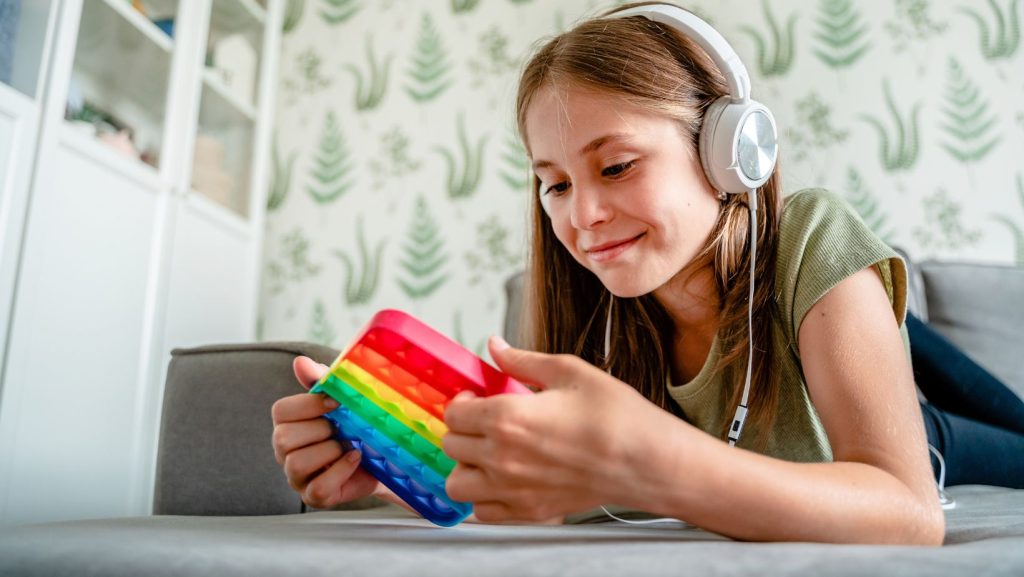
- Some students benefit from fidget tools to release energy in a quiet and focused way—try textured putty, stretchy bands, or discreet handheld items.
-
Comfort Items for Learning
- Lap pads or weighted cushions can provide pressure and help ground students while they work.
- Standing desks, balance cushions, or rocking chairs may be helpful for students who need movement to stay alert.
- Soft lighting and warm-toned lamps can make learning environments more calming for those with light sensitivity.
- Stimulating snacks like hot peppers or pickles can often help students focus.
Meditation and Mindfulness for Sleep and Focus
Many students benefit from guided meditation or mindfulness exercises, especially when anxiety or racing thoughts interfere with rest or focus.
Apps offer short meditations for bedtime, stress relief, or focus during the school day:
- Smiling Mind (great for kids and teens),
- Calm,
- Headspace, and
- Insight Timer
Simple breathing exercises, progressive muscle relaxation, or visualizations (like imagining a calm beach or floating cloud) can be taught and practiced during coaching sessions and used independently by students when needed.
How Evoke Supports Students Beyond Academics
We understand that success in school involves more than academics. Our coaches work with students to build skills and strategies that support the whole person—including emotional regulation, executive function, and self-awareness. When sleep or sensory sensitivities are getting in the way, we help families identify the root causes, explore strategies that work for their unique needs, and build routines that foster calm, comfort, and confidence. We also integrate the latest research and resources—like those from CADDAC—to ensure our coaching is grounded in science and tailored to everyday life.
Final Thoughts
For students with ADHD or sensory defensiveness, feeling safe, calm, and rested is not a luxury—it’s essential. Supporting sleep, comfort, and sensory needs can lead to better focus, fewer meltdowns, more positive behaviours, and a stronger sense of self.
If your child struggles with sleep, clothing discomfort, or sensory overload during learning, know that they’re not alone—and that there are tools, strategies, and supports that can help.
Need assistance creating a sleep or sensory strategy that works for your child? Contact us today to learn how Evoke can support your family.